Cattail Removal

Restore Your Shoreline

Professional cattail removal for residential & commercial waterfronts across Washington State

What Are Cattails & Why Do They Need Removal?

Cattails (Typha latifolia and Typha angustifolia) are tall, reed-like plants that spread aggressively along the shorelines of Washington lakes, ponds, and wetlands. While small stands can support wildlife, unchecked cattails form dense walls of vegetation that block lake access, choke out native plants, trap sediment, and turn open water into marshland within just a few seasons.

Our cattail removal service uses eco-friendly mechanical methods — including our battery-powered WaterShark harvester and hand tools — to cut and extract cattails at the root crown without herbicides. All removed vegetation is hauled off-site for composting, leaving your shoreline clear, your water accessible, and your property value protected.

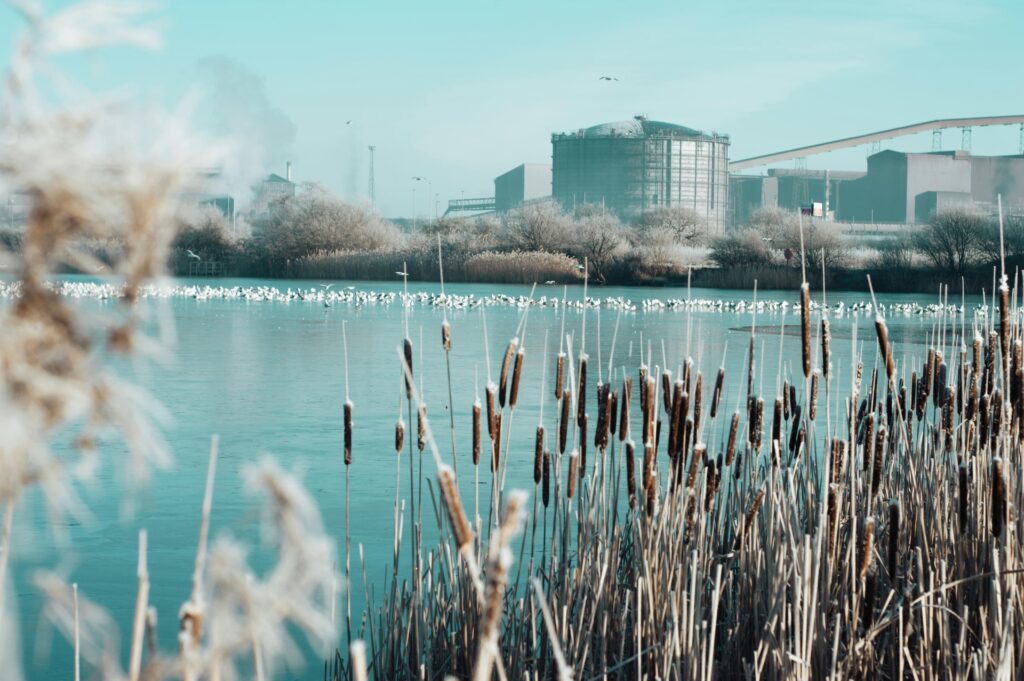
Dense cattail stand along a residential Washington lake shoreline before removal

Residential Cattail Removal

We clear cattails from around docks, swimming areas, and shorelines for homeowners on Lake Washington, Lake Sammamish, and lakes throughout Washington. Most residential cattail jobs are completed in a single day with no damage to your shoreline, dock pilings, or surrounding native vegetation.

Commercial Cattail Removal

Large-scale cattail clearing for marinas, golf courses, HOAs, resorts, and community lakes. We coordinate with the Washington Department of Fish & Wildlife (WDFW) and the Department of Ecology for any required permits, and scale our equipment to match the job.

Our Cattail Removal Process

Free Assessment

We visit your property, measure the affected shoreline, identify the cattail species, and provide a clear quote with no obligation.

Removal Day

We arrive with the WaterShark harvester and hand tools, cutting cattails below the waterline and extracting root mats where accessible. Most residential jobs are completed in one day.

Haul & Compost

All removed cattail vegetation is hauled off-site for eco-friendly composting. Your shoreline is left clean, clear, and ready to enjoy.

Where We Remove Cattails

We provide cattail removal services across Washington State, including King County (Seattle, Bellevue, Kirkland, Mercer Island, Redmond, Issaquah, Sammamish), Snohomish County, Pierce County (Tacoma, Lakewood), and Chelan & Douglas counties (Wenatchee, Chelan).


Milfoil Removal Services
Lily Pad Removal Services

Cattail Removal FAQ

Most Washington properties benefit from cattail removal every one to two years. Cattails regrow from rhizomes and seeds, so even a thorough mechanical clearing will see some regrowth the following season. Annual maintenance is typically enough to keep shorelines open and prevent new stands from establishing.

Yes – cattails will regrow from their rhizome system after mechanical removal. How quickly depends on how much root mass we’re able to extract, the depth of the water, and the species. Most properties see significantly reduced density after a professional clearing, with follow-up maintenance keeping things manageable.

Yes. Because we use mechanical methods instead of herbicides, cattail removal is safe for fish, amphibians, and surrounding native vegetation. We target only the cattails themselves and leave native aquatic plants in place. Removed material is hauled off-site, not left to decompose in the water.

Cattail removal is priced by the size and density of the stand, shoreline access, and whether permits are required. Most residential jobs fall within a typical range for a single-day service. We provide free, no-obligation on-site assessments so you get an accurate quote before any work begins.

It depends on the scope of the removal and the waterbody. Small-scale shoreline maintenance around a private dock typically falls under the homeowner maintenance exemption, while larger jobs may require coordination with WDFW or the Department of Ecology. We handle permit research and applications as part of every commercial project.

Ready to Clear Your Cattails?

Get a free, no-obligation quote. Serving all of Washington State.

Scroll to Top