Lake Sammamish Milfoil Removal

Lake Sammamish Milfoil Removal - Issaquah, Sammamish, Bellevue & Redmond

Why Lake Sammamish Has a Milfoil Problem

Lake Sammamish – a 4,897-acre freshwater lake stretching nearly 8 miles between Issaquah and Redmond – has been battling Eurasian watermilfoil (Myriophyllum spicatum) for decades. The invasive plant thrives in the lake’s warm, shallow shoreline areas, fueled by residential dock density, summer boat traffic that fragments and replants milfoil throughout the system, and the lake’s relatively slow flushing rate.

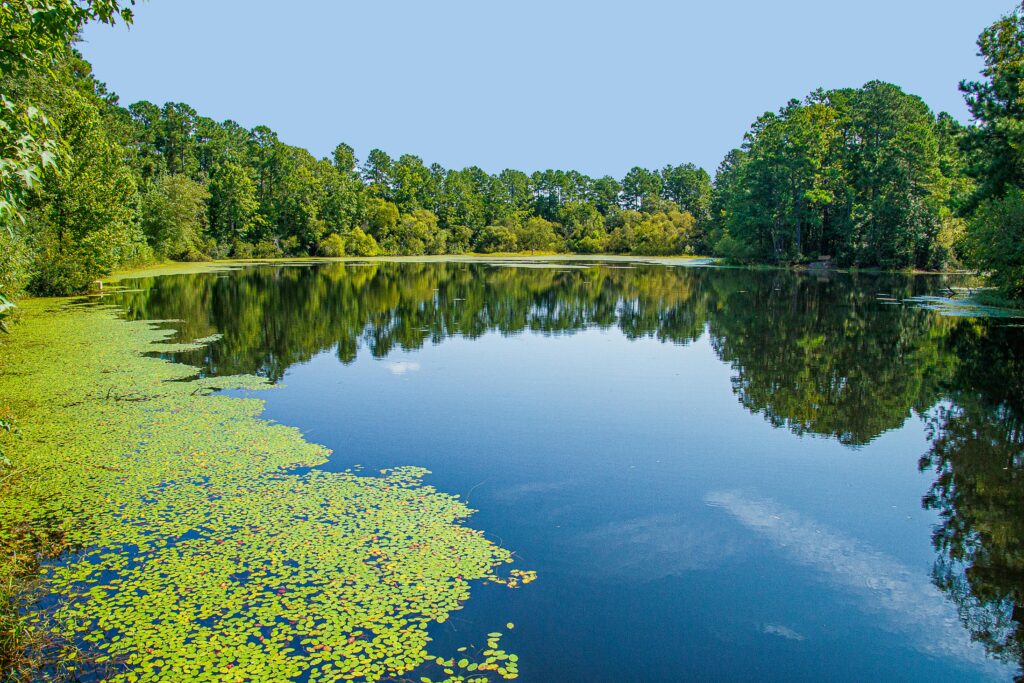
A serene lake surrounded by lush green trees and reflection in Conway, South Carolina.

Residential Lake Sammamish Milfoil Removal

We clear Eurasian watermilfoil from around private docks, swimming areas, and shorelines for waterfront homeowners across Lake Sammamish. Most residential jobs are completed in a single day, with no damage to your dock pilings or surrounding native vegetation.

Commercial & HOA Lake Sammamish Milfoil Removal

Large-scale milfoil clearing for marinas, yacht clubs, HOAs, and community waterfronts on Lake Sammamish. We coordinate with the King County aquatic plant management program, WDFW, and the Department of Ecology for any required permits.

Our Lake Sammamish Milfoil Removal Process

Free Assessment

We visit your Lake Sammamish property, measure the affected shoreline, identify the milfoil density, and provide a clear quote with no obligation.

Removal Day

We arrive with the WaterShark harvester and hand tools, cutting milfoil at the root crown and extracting plant material before it can fragment and reroot. Most residential jobs are completed in one day.

Haul & Compost

All removed milfoil is hauled off-site for eco-friendly composting – never left to drift into neighboring shorelines or decompose in the lake.

Why Lake Sammamish Milfoil Removal Matters

Eurasian watermilfoil is the most aggressive invasive aquatic plant in Lake Sammamish. A single fragment – broken off by a boat propeller or wake – can drift, sink, and root into a new dense mat in a matter of weeks. That’s why Lake Sammamish milfoil removal is most effective when it’s done early in the season and repeated annually rather than waiting for the problem to become unmanageable.

Beyond the obvious impact on swimming, boating, and dock access, untreated milfoil reduces dissolved oxygen in shallow water, stresses native fish populations, including the lake’s kokanee salmon run, and lowers waterfront property values. King County runs a Lake Sammamish aquatic plant management program, but it typically focuses on public waters and doesn’t extend to private shoreline frontage – that’s the homeowner’s responsibility.

Because Lake Sammamish is a state-regulated waterbody, working with a licensed and insured contractor matters. Milfoil Mercenaries is fully licensed and $2M insured, and we coordinate with WDFW and the Department of Ecology when permits are required. For background on milfoil management in the lake, see the King County Lake Sammamish aquatic plant program.

Cities We Serve on Lake Sammamish

Lake Sammamish runs along the eastern edge of the Seattle metro area, touching four of the region’s most active waterfront communities. We provide milfoil removal services along the entire shoreline:


  • Issaquah — Lake Sammamish State Park area, Sunset Beach, and the south-end shoreline
  • Sammamish — Entire east shore including Inglewood, Pine Lake area access, and Sammamish Landing
  • Redmond — North end shoreline including Idylwood Park and Marymoor Park outlets
  • Bellevue — West shore communities including West Lake Sammamish Parkway waterfronts

Lake Washington Milfoil Removal FAQ

When is the best time of year for Lake Sammamish milfoil removal? A1: Most Lake Sammamish property owners schedule milfoil removal between late May and early September, when the plant is actively growing and easiest to identify and extract. Early-season removal (May–June) tends to produce the longest-lasting results because it’s done before milfoil reaches peak density and fragmentation risk from summer boat traffic.

Most Lake Sammamish waterfronts benefit from annual milfoil removal. Because the lake has an established milfoil population and heavy summer boat traffic that constantly spreads new fragments, even a thorough clearing will see regrowth the following season. Annual maintenance keeps your shoreline open and prevents milfoil from reaching unmanageable density.

Most residential mechanical milfoil removal around a private dock falls under the homeowner maintenance exemption and doesn’t require a permit. Larger jobs, work in protected waterbodies, or any chemical treatment may require coordination with WDFW or the Department of Ecology. We handle permit research as part of every commercial project.

Yes. Most Lake Sammamish waterfronts have a mix of invasive vegetation, and we routinely clear milfoil, cattails, and lily pads in the same visit. Combining services in one trip is typically more cost-effective than scheduling separate jobs.

Chemical herbicide treatments kill milfoil in place and leave the dead plant material to decompose in the water – which depletes oxygen, can harm the lake’s kokanee salmon and other fish, and often requires Department of Ecology permits. Our mechanical Lake Sammamish milfoil removal physically extracts the plants and hauls them off-site for composting, with no chemicals entering the lake.

Ready to Clear Milfoil from Your Lake Sammamish Shoreline?

Get a free, no-obligation quote. Serving Issaquah, Sammamish, Redmond, Bellevue, and the entire Lake Sammamish shoreline. We also service Lake Sammamish and Lake Union.

Scroll to Top